
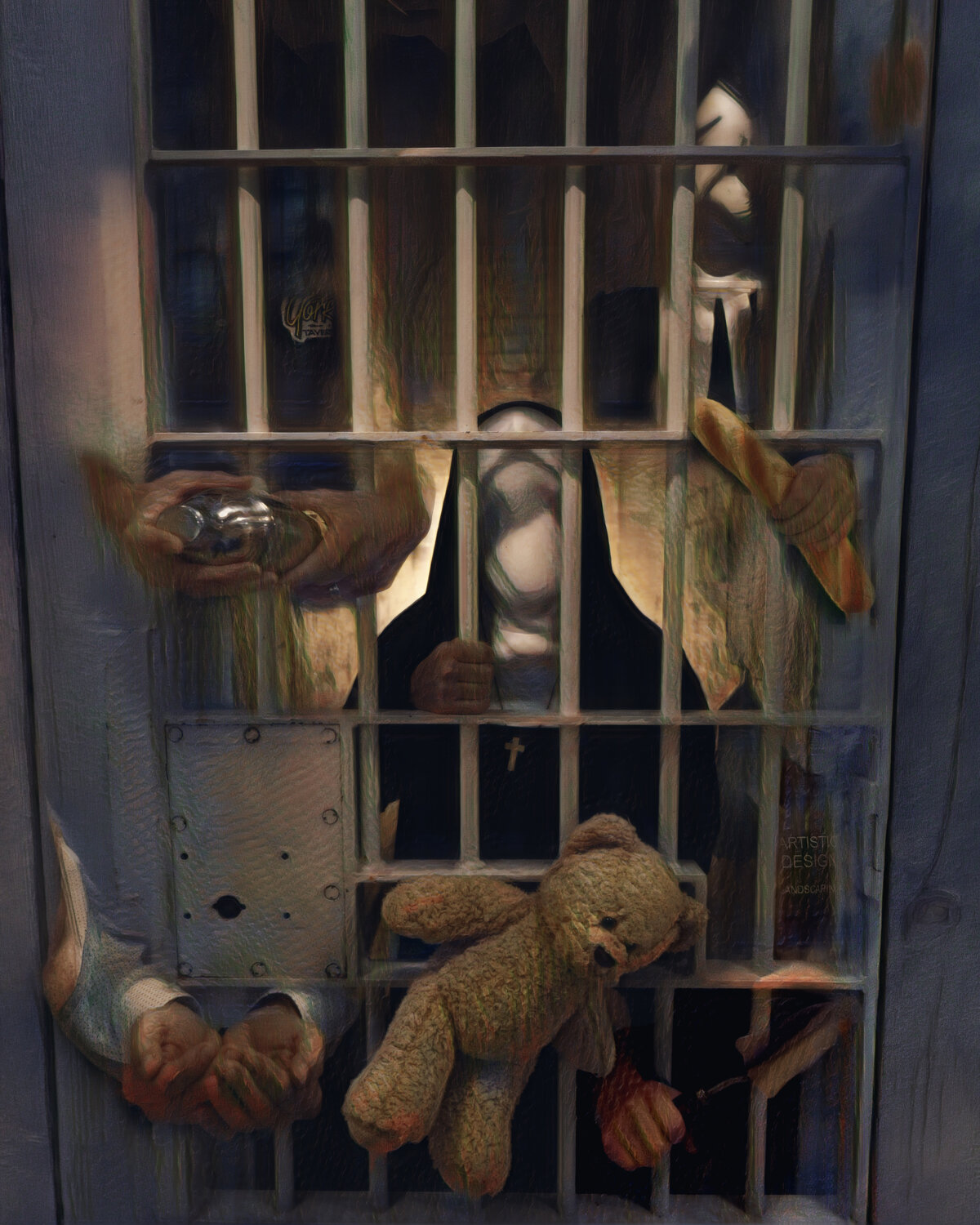
Everyone who danced at The York remembers the floor: a grid of two-foot squares lit from beneath, incandescent red, blue and yellow flaring in no sequence anyone could predict. A town loosened by drink reeled across it every weekend, never knowing when it would brighten underfoot. Outside, YORK TAVERN stretched across the façade of the Bensons’ old hotel in bland letters scaled for a circus poster. Three storeys of red brick under a corbelled cornice, raised after the fire of 1861, its tall windows hooded in oxblood. The town's common room closed more than a decade ago. The floor went dark.
In the summer of 1992 the wood panelling, stained to pass for oak, kept up appearances, while the damp beneath it had given up trying. The carpet had been walked to the weave. The DJ booth towered over the edge of the kaleidoscope. A bartender worked the peak hours on Friday and Saturday nights, 10 p.m. until 2 a.m. and nearly every face through the door was a face he knew. In a town this size, a face you did not know was an event.
Then, a face he did not know. His schoolmate leaned across the padded rail, the border between those who drank and the one who poured and introduced the stranger. Tall. Blond. A soft, boyish beauty. He ordered two Long Island Iced Teas, doubling up as many did at last call. Nobody behind a bar wants to build the complex drinks. Five spirits, measured and poured, then hidden under the liquid skin of cola, a glass with a respectable complexion. The bartender built them and was on to the next order. They did not shake hands. That summer, the name meant nothing to anyone in the room.
This city keeps its killers where it can see them. Or at least it used to. The old jail on Victoria Avenue held prisoners from 1863 until 2003; it holds only visitors now and lets every one of them out again. That is the shape a monster takes in a town’s memory: a face behind an iron door, with the key on our side of it. The shapes it took here were humbler and nearer. A boy on the school bus out of Woodville. A hired man at odd jobs around Burnt River. A friend’s friend at the bar at last call. A teenager at the high school on the edge of town whose hair would not keep a colour. The fifth never set foot here; one of ours woke up beside her. The iron door held one of them, but only for one long weekend. The rest it never saw. A city’s stories grow by accretion, each telling laid over the last the way a mason lays stone, and the cell is always the topmost row.
Some of Canada’s most notorious killers did not pass us by. They passed through our hands. Five spirits: Bruce McArthur, Roch Thériault, Paul Bernardo, Luka Magnotta and Karla Homolka. The cola that blends and makes normal was us: our town.
Faces We Knew
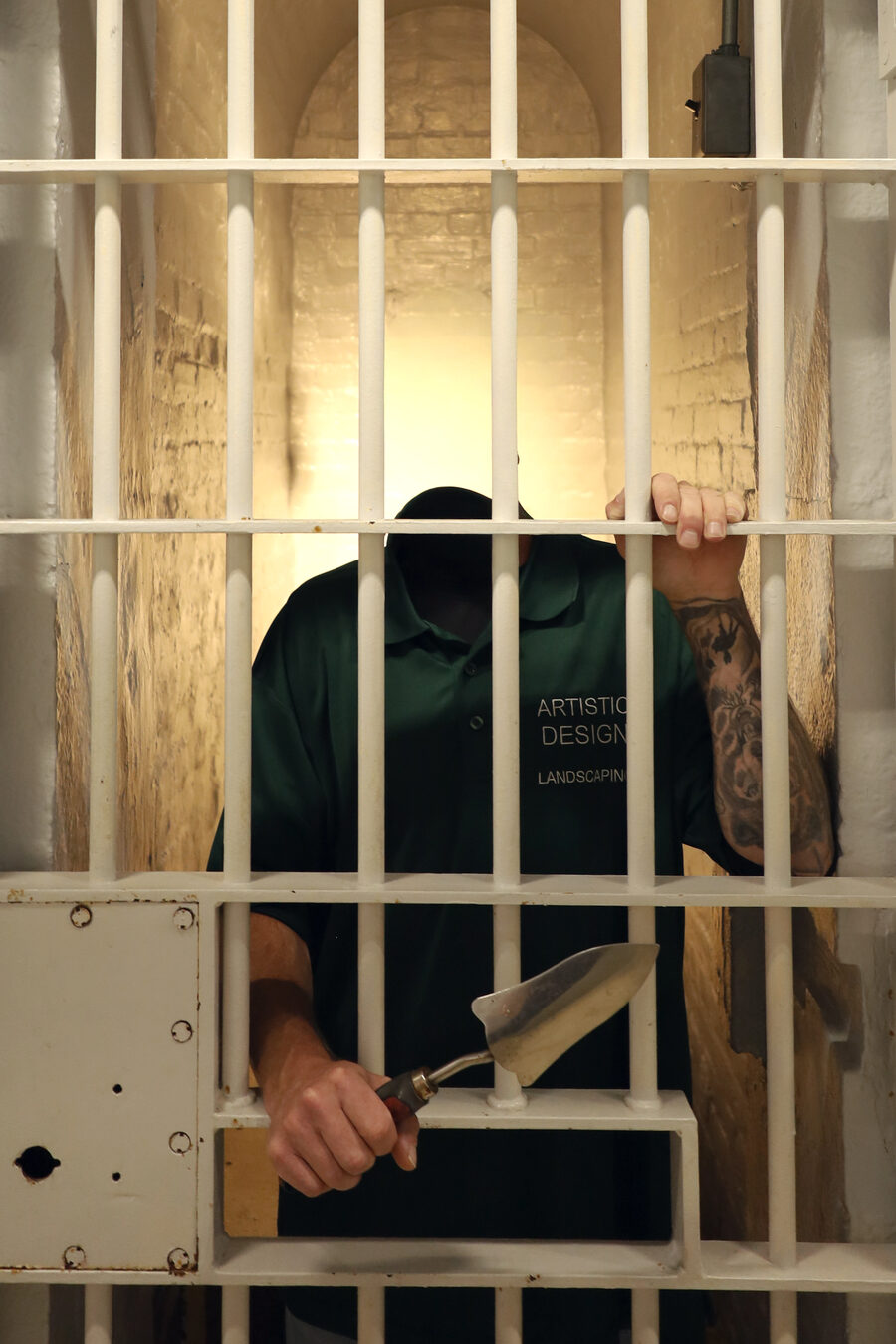
Bruce McArthur’s childhood had the scale of a one-room schoolhouse. Born in Lindsay in 1951, he was raised on Palestine Road outside Woodville, where his parents farmed and took in foster children. Woodville: a variety store, a gas station, an arena, a curling rink, and a boy nobody had reason to watch. A classmate, asked nearly half a century later, could offer one memory: “He sung in singing contests.” At 18, he left for the city, and Woodville forgot him as his parents’ farm field forgets a footprint.
Decades later, the remains of men he had killed between 2010 and 2017 were found in the planters of a Toronto house where he worked as a landscaper. He pleaded guilty to eight murders. All Woodville can do is go back afterward, looking for the boy, and find him singing.
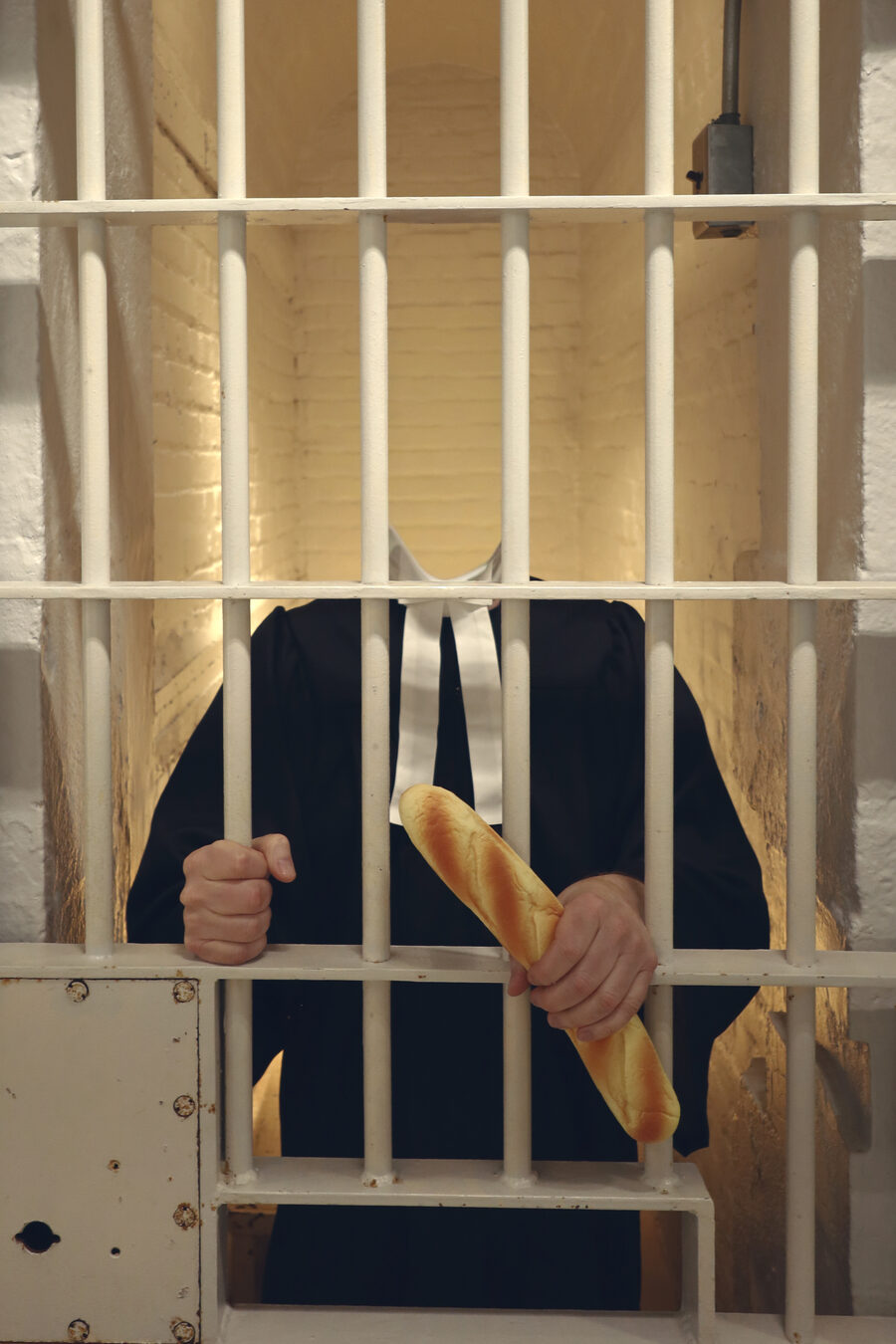
Roch Thériault led the Ant Hill Kids, a cult out of Quebec that by 1989 had gone to ground in the bush near Burnt River. A prophet requires a wilderness, and the county had one to spare. His followers called him Moses; the women he called his wives. The neighbours hired him and his flock for odd jobs. We bought their bread. They were good workers. He spent the Thanksgiving weekend of 1989 in the Lindsay jail. The county that Sunday, where most every table boasted a carved turkey, saw the good china taken from the highest shelves, for one of only two meals each year that earns it. In the heart of town, in a cell, the messianic patriarch of the Burnt River bush waited for Tuesday. That August a woman had escaped his camp with only one arm. He had removed the other.
By Tuesday, in a Lindsay courtroom, he pleaded guilty to three counts of aggravated assault through a French interpreter – and against the advice of duty counsel. His reason he gave in English. “I am guilty because I took the bottle,” he said, and was sentenced that day to 12 years. That October the remains of Solange Boilard, 32, were found at the commune. In 1993 he pleaded guilty to her murder. The sentence was life. A Lindsay lawyer had gone into the jail to speak to him. He learned of the allegations. He did not take the case.
Bernardo, on spring break in Florida, fell in with a handful of Lindsay teenagers. Two of them stood in his wedding party at Niagara-on-the-Lake on June 29, 1991, groomsmen to a man neither truly knew. That day, in Lake Gibson, the remains of Leslie Mahaffy were found, encased in concrete. A groomsman is asked to stand, not to know. He came up to Lindsay on many weekends, to party with the men from Florida, and in that circle his was not a rare face. A year after the wedding he was drinking in a Lindsay bar with one of them. Nothing in the record suggests any of them knew.
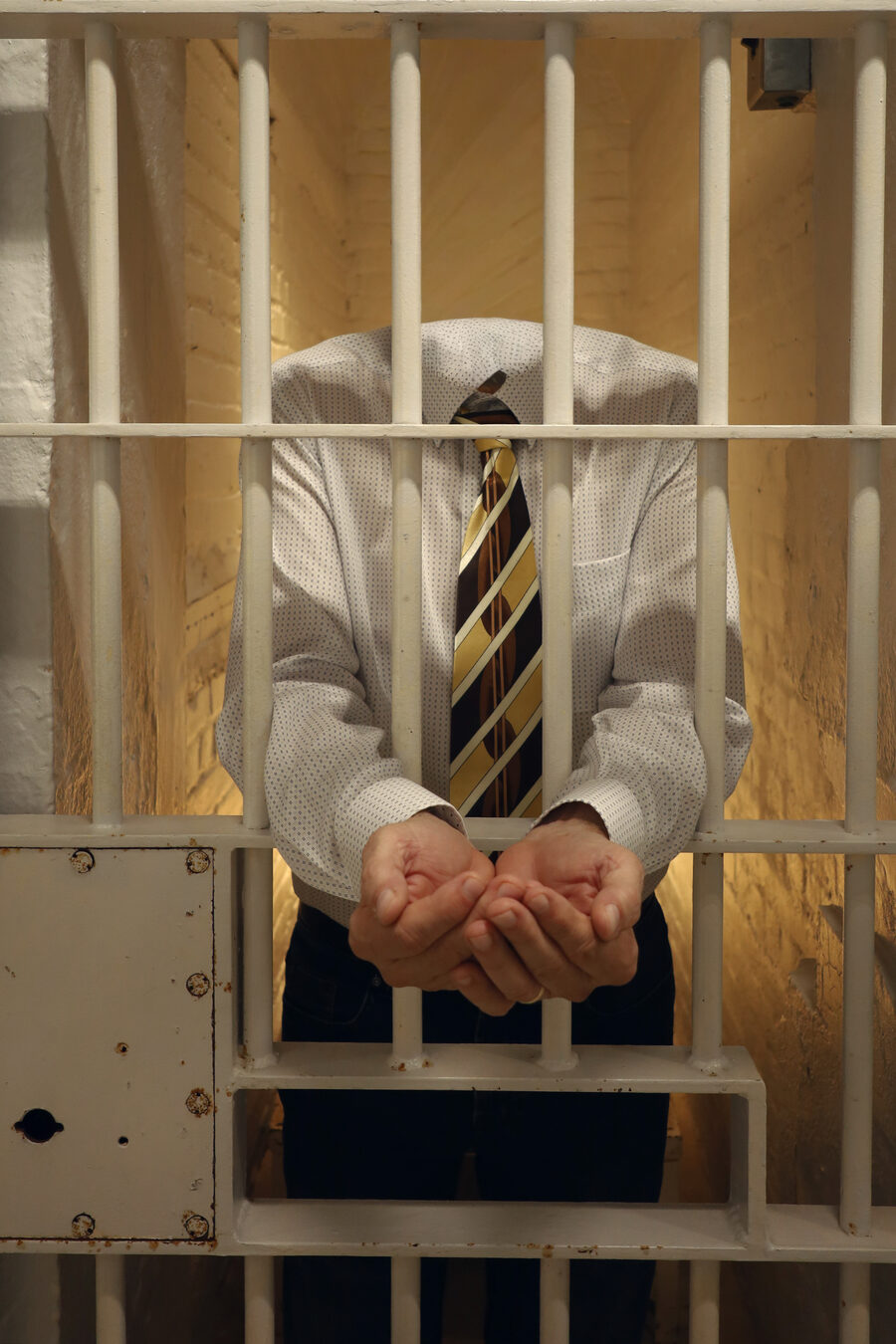
Luka Magnotta attended I.E. Weldon from 1998 to 2000, as Eric Newman. Teachers recall the vanity, the hair that kept changing colour.
He gave himself a new name in 2006, and a profession: self-styled model. He started the rumour in 2007 that he had dated Karla Homolka and admitted as much at his trial. Notoriety is the one appetite the internet feeds for free, and he fed it kittens: two sealed in a bag while a vacuum drew the air out, one fed live to a python. He filmed the killings and set them loose online, where nothing is allowed to stay dead. Strangers spent a year and a half hunting the kitten killer’s hands. Netflix later made the hunt a series, “Don’t F**k with Cats,” so that his want was granted after all.
A boy on the school bus out of Woodville. A hired man at odd jobs around Burnt River. A friend’s friend at the bar at last call. A teenager at the high school on the edge of town whose hair would not keep a colour. The fifth never set foot here; one of ours woke up beside her.
Jun Lin was 33, a Concordia student from Wuhan. In Montreal, in May 2012, Magnotta killed him, dismembered him, filmed it and posted the film. He put the torso in a suitcase and the suitcase in the trash. He mailed a foot to the Conservative Party, a hand to the Liberals, and spared the NDP. That June he was arrested in a Berlin internet café, reading about himself. “OK, you got me,” he said. He was convicted of first-degree murder in 2014. Weldon remembers the hair better than the boy: the town kept the disguise and let the face go.
The woman he lied about – Homolka – had already shared a room with one of Victoria County’s own.
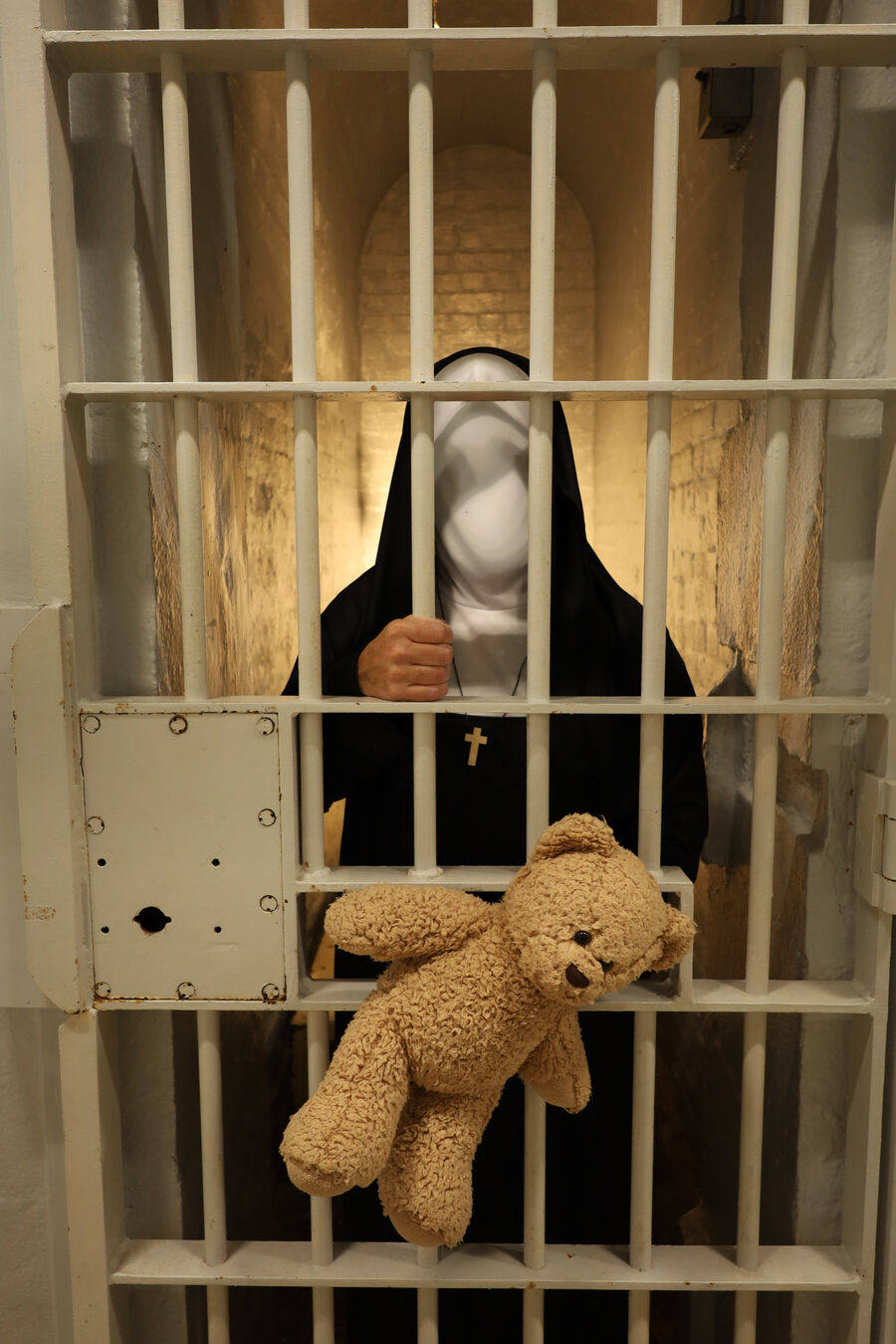
A nun from Lindsay, known in the telling as Sister Josephine, had woken one March morning in 1993 in a Toronto hospital room to find a girl on the opposite bed, blond and languid in a flimsy nightgown, painting her toenails a confectionery pink. The girl looked up and held out a stuffed bear, the way a child offers a stranger the one thing it owns. It was her own, a Christmas gift from Bernardo. She had given it to Leslie Mahaffy to hold shortly before Leslie was killed.
The nun’s doctor had roomed them together, a nun and an eidolon of that spring’s newscasts, and left the nun to arrive at the truth on her own. She reached it on Easter Sunday. She had been placed, in one account, “a few yards from the devil incarnate,” and the devil had painted its toenails pink and asked to be liked. The doctor’s counsel: “You need a mission. Maybe Karla is your mission?”
Weeks later, both discharged, they met again, this time by no one’s design, in the doctor’s waiting room. The nun pressed into Karla’s palm a small wooden crucifix. In July 1993 Homolka pleaded guilty to two counts of manslaughter, the bargain the country came to call the “deal with the devil.” Homolka was reportedly seen with it still, turning it in her fingers in a cell at the Prison for Women in Kingston.
The Iron Door
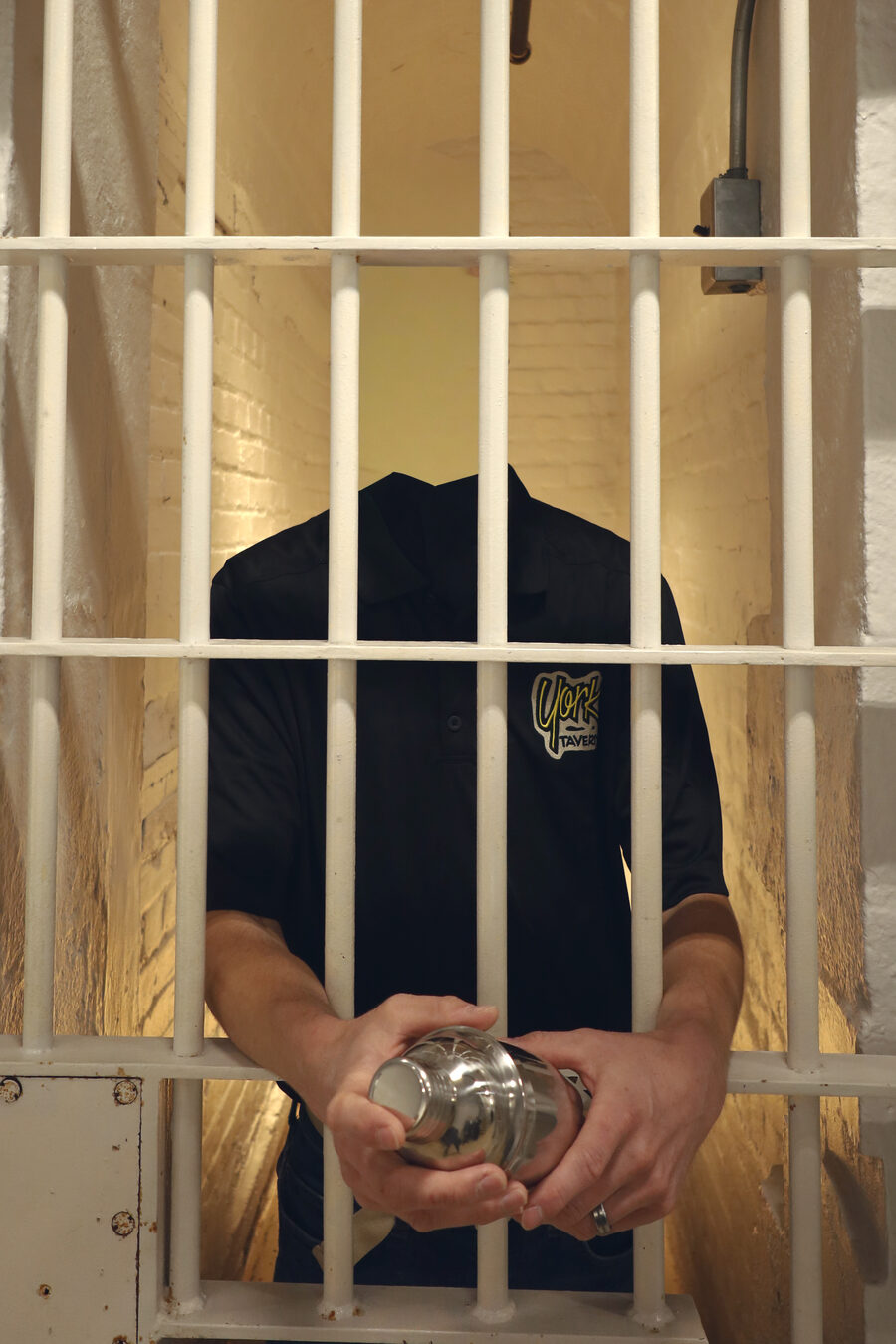
The bartender was me.
My schoolmate had been one of the Lindsay teenagers Bernardo met in Florida. The introduction was what it looked like: one friend bringing another to the bar. A familiar face makes room for an unfamiliar one.
I learned who the stranger was when the country did, the following winter. What I have is one night, a few months after Kristen French was killed, vivid and useless: a height, a face with nothing written on it, two drinks I resented making. That is the entire deposition. If you want the revenant, the face returning across the bar wearing what it had already done, I cannot give it to you. The horror is that there was no horror at all.
The Lindsay lawyer who went into the jail to see Thériault was my father. We lived a block from that jail as the crow flies, close enough that its limestone was the first architecture I knew, and his work never had far to travel to our supper table. Our home phone number was public property. It rang at all hours, and by morning he would be parked outside the jail, nose to a No Parking sign he treated as a suggestion, inside with whomever had called. As a boy I sometimes waited in the car, engine off, watching the door and imagining what the walls held.
The call in October 1989 came from the police at the jail, on behalf of the man in the cells. He drove over as he did for everyone and heard the allegations out. Then he declined. He left the man the name of a Toronto criminal lawyer of some renown and drove home without a client.
He told me a year or so later, across the desk in his office. Law reports climbed the shelves behind him in the tired maroons and greens of a flag left out in the weather. In a frame at his elbow, he crouched beside his beloved, rough-coat Jack Russell, his face opened by a glee no courtroom ever saw on it. At the corner of the desk, turned to face whoever sat where I sat, squatted a grey ceramic gargoyle: the one witness in that room that never talked. The jail had come home as a story. What else he knew he kept. He died in 1998, at 48. These hands, the lawyer’s and the bartender’s, passed the Ant Hill Kids’ bread at one table.
A cell is a story with a lock on it. The town remembers the cell. It never knew about the bar, and a bar keeps no register but the till.
I have mixed what you have just swallowed: five killers, measured and poured, then covered with something sweet, cold and familiar — our city itself, with its one-room school, good china and illuminated dance floor. Even here, the floor receives its colours before the dead receive their names. Nothing in a Long Island Iced Tea warns you what it contains; neither does a city’s story about itself. Both are mixed to make them easy to finish.
A classmate heard a boy sing. A jailer turned a key over the long weekend. Two groomsmen stood where they were asked. A teacher watched a boy’s hair change colour. A nun woke to a girl painting her toenails pink. A lawyer drove to the jail and drove home without the case. A bartender built two drinks.
You would like the five kept behind the iron door. So would I. We cannot. Almost every hand in this story belonged to a neighbour, and a neighbour’s hand, in a city this size, has been in yours. Nobody saw it coming, because there was nothing to see: that is the whole of the marvel, and the whole of the fright. The halcyon Kawartha Lakes you remember, the Thanksgiving tables, the squares flaring under the dancers, was this Kawartha Lakes all along. It wore the colour of something harmless. It still does.
A drink is Lethean; it exists so that you will forget. Here is what our city’s drink, and mine, was mixed to cover:
Tammy Homolka. Leslie Mahaffy. Kristen French. Skandaraj Navaratnam. Abdulbasir Faizi. Majeed Kayhan. Soroush Mahmudi. Kirushna Kumar Kanagaratnam. Dean Lisowick. Selim Esen. Andrew Kinsman. Solange Boilard. Jun Lin.


Leave a Comment
Your email address will not be published. Comments are moderated.