
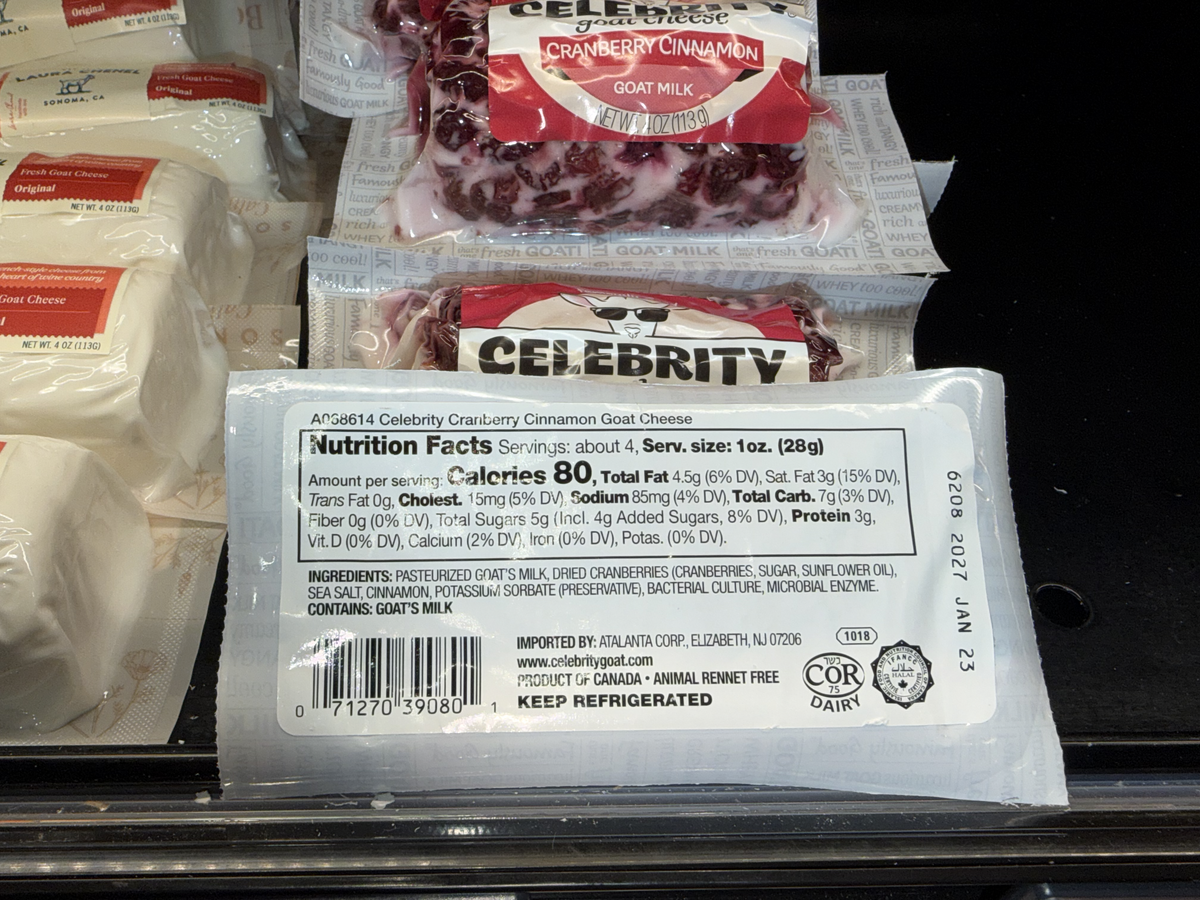
The goat milk still arrives at Mariposa Dairy, and the Lindsay plant still turns it into cheese. What has changed is the cost of getting that cheese across the border.
Eighty per cent of Mariposa's product goes to the United States, where it now faces a 50 per cent tariff.
"It's massive. It's devastating," said Mark Anderson, CEO of one of Kawartha Lakes' largest employers, Mariposa Dairy. "They can't stay in place at 50 per cent for us; that will decimate our industry."
Democrats won control of both the House of Representatives and the Senate in Tuesday's U.S. midterm elections. Asked before the vote whether the midterms would affect the tariffs, whichever party won, Anderson was doubtful.
"I don't know that they will. I'd be (skeptical) to think that they will. I would worry that Trump will continue to do whatever Trump wants to do."
From Mariposa Township to the world
Bruce and Sharon Vandenberg began making goat cheese on their farm in the former Mariposa Township in 1989. The business moved into Lindsay and now runs two plants in town totalling more than 80,000 square feet. FedDev Ontario, the federal economic development agency for southern Ontario, puts its workforce at about 200.
In August, Ottawa announced more than $6.5 million in repayable funding toward a $19.5-million Mariposa expansion involving automated processing, packaging and shipping. The money came from a federal program created to help businesses weather U.S. trade measures.
Mariposa buys about half the goat milk produced in Canada, much of it from Ontario farms, the Toronto Star reported Oct. 31. That milk can't simply be switched off.
"We've kept our production levels consistent because we need to keep receiving milk; goat milk is not something you can turn on and off, so you've got to keep producing it," Anderson said.
Dairy Goat Farmers of Ontario says 198 families in the province produce more than 60 million litres of goat milk a year. Anderson estimates the industry supports about 1,500 jobs and contributes $200 million a year to the economy. Many farmers borrowed to expand barns and install milking equipment to meet American demand, the Star reported.
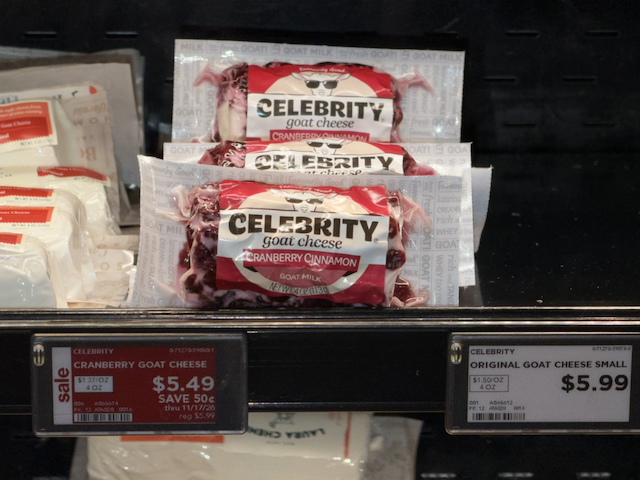
Caught in a cheese quota fight
Goat milk is not part of Canada's supply management system. Goat cheese was swept into the dispute anyway.
Washington objects to how Canada allocates its cheese import quotas. Canadian retailers can use quota space for European cheese under Canada's trade deal with the EU, but not for American cheese under the Canada-U.S.-Mexico Agreement (CUSMA). U.S. President Donald Trump responded with 50 per cent duties on a range of Canadian goods under Section 338 of the Tariff Act of 1930, a Depression-era law never before used to impose tariffs.
The duties took effect Aug. 22, and the product list was expanded Sept. 15. They apply on top of other charges, and CUSMA status offers no exemption.
Ottawa promises help
On Oct. 20, Haliburton—Kawartha Lakes Conservative MP Jamie Schmale told the House of Commons that Mariposa exports more than $60 million a year in cheese to the U.S. He asked what Ottawa was doing to secure relief "before it is too late."
Industry Minister Mélanie Joly said she was "seized with the issue."
"FedDev has provided funding, we will provide more funding, and we will work together on the solution because we need to make sure that Mariposa Dairy is secured," she said.
Schmale followed up. He said Mariposa had been warning Ottawa since March 2025 and was taking on more debt, and asked whether the government would commit that day to a solution that would keep its farmers and workers in business.
Joly's answer was two words: "Yes, Mr. Speaker."
Joly did not specify an amount or timeline for further assistance.
Three roads to relief
Three possible routes to relief remain: Congress, negotiations and the courts. None offers a quick answer.
The first is Congress. Democratic majorities give the party more power to challenge Trump's trade policy, but any repeal of the tariff could be vetoed. Overriding a veto takes two-thirds majority of members voting in each chamber. The new Congress takes office Jan. 3.
The second is negotiation. Prime Minister Mark Carney said Sunday that he'd had a "good conversation" with Trump and that negotiators would work toward a deal in the coming weeks. Trump said the two sides have "the concept" of an agreement. Formal talks had broken off in August, and no deal has been announced.
The third is the courts. Gellert Global Group, the New Jersey importer that brings Mariposa's Celebrity goat cheese into the U.S., asked the U.S. Court of International Trade on Oct. 20 to strike down the tariff. It argues the administration exceeded its authority under Section 338 and began collecting duties before a required 30-day waiting period had passed. Those claims have not been tested in court.
Gellert estimates the duties will cost it about US$40 million a year and says it is absorbing that cost for now. Its CEO, Thomas Gellert, told CBC News he feels personally responsible to the producers his company encouraged to build up their operations.
Back in Lindsay
For now, the milk keeps arriving from Ontario farms, and refrigerated trucks keep carrying Lindsay cheese south.
At the border, its importer owes an extra duty equal to half the cheese's declared customs value. How long that can last is the question hanging over Mariposa, its roughly 200 workers and the farm families who supply it.
Leave a Comment
Your email address will not be published. Comments are moderated.