
I’ve been known to leap down a retaining wall to rescue a bird from the jaws of my cat.
Cats are astonishingly effective predators. While firm numbers are hard to pin down, studies estimate that Canada’s 18 million cats kill anywhere from 60 million to well over 150 million birds every year. That includes kills by feral (unowned) cats, and pets allowed outside. Their threat to birds is second only to habitat loss.
At one time our family let our resident felines roam. No more. It’s too hard on the cat, neighbourhood birds and countless other creatures. Cat bells have not been proven particularly effective. And well-fed pets are still efficient killers.
Some argue it’s cruel to keep cats inside, but our indoor cats have been feline fine. Granted, they’ve occasionally pulled off a great escape. Outdoors, they face myriad threats: other cats, coyotes, infestations of ticks and fleas, parasites, diseases, extreme weather, and cars. My longest-lived indoor cat died at 21. One outdoor cat lived to be eight. Typically, outdoor cats live half as long as their indoor cousins.
Cats are listed among the worst 100 invasive species on the planet. Keeping them indoors helps to rein in a non-native invasive predator. Many organizations advise against letting cats roam, including Nature Canada, Ontario SPCA and Humane Society, and the Canadian Veterinary Medical Association.
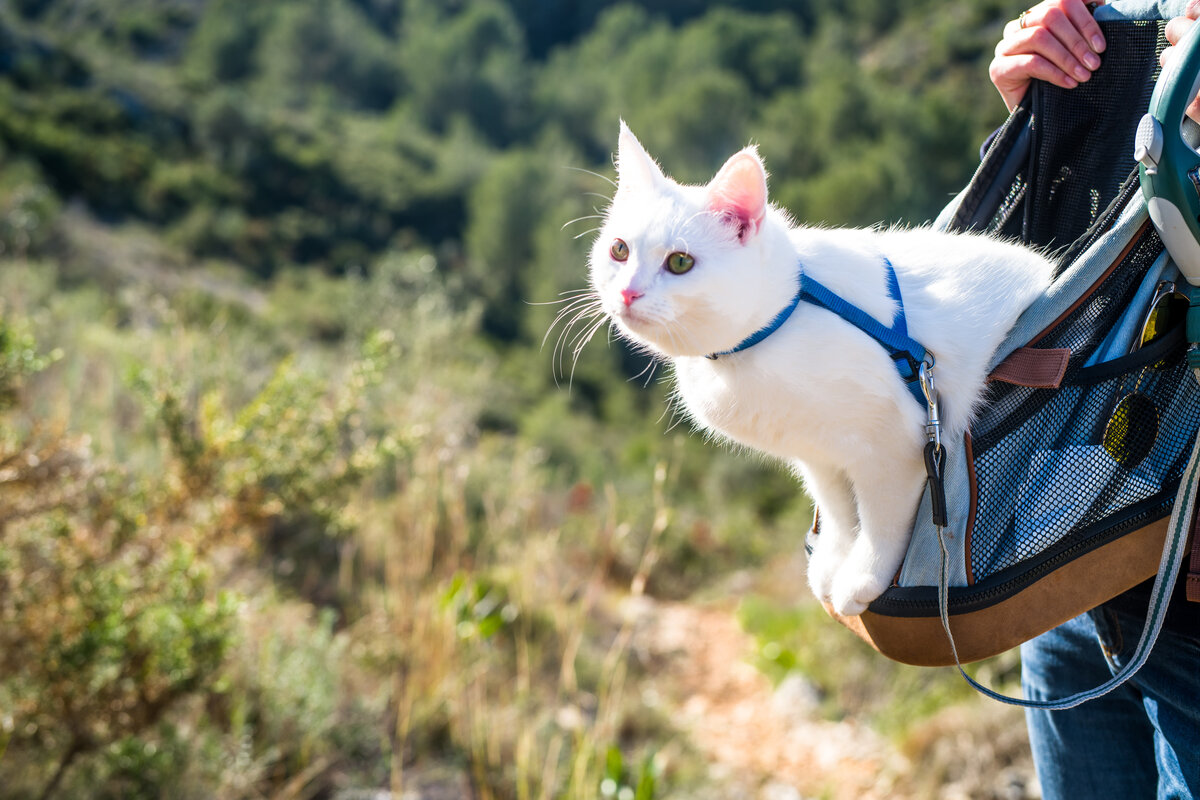
Despite their strong prey drive, cats can be trained to safely enjoy the outdoors. “Ours was,” said Rob Stavinga, a member of City of Kawartha Lakes’ Bird Friendly committee. “It would come out with us into the garden but understood that it could only leave the deck with us, and was to stay close. She went inside when told and was never outside without us. I also had a cat when I was a kid that I trained to deliver papers with me. It heeled, no leash.”
I haven’t had patience or luck with leash training but many do. If that doesn’t work, you can create a confined outdoor “catio” to let your cat safely experience the sounds, sights and smells of nature without endangering other creatures. Our cat, Shen, enjoys lying near a screened window or door monitoring those birds and chipmunks.
For cat exercise, some recommend getting a second feline. Others opt for challenging toys.
Importantly, all cats need to be spayed or neutered to reduce the population.
Some years ago, a feral cat decided our shed was a great nursery. Once the kittens were old enough, I found them homes. My officemate took Bonnie and Clyde, a local vet clinic took Julie as an office cat. And another vet passed a kitten on to a client. Momma cat gradually became adoptable.
Dropping a cat off at the side of the road does not help the situation. If a car doesn’t end the feline’s life, starvation or a parasite might. A friend told me about seeing a cat dropped off in front of a farm, probably with the expectation it would miraculously become self-sufficient. A day later, the cat was still standing on the side of the road. That kind of story stresses meowt and adds to the cat-astrophe.
Aug. 8 is International Cat Day, promoting feline health and safety.
Neutering, training, and keeping cats indoors would help. We just need a change in cattitude.



Leave a Comment
Your email address will not be published. Comments are moderated.