
When I launched Bridges to Understanding, I wrote about reconciliation being a journey built on small, everyday choices listening closely, asking thoughtful questions, and growing beyond what we think we know.
Every autumn around the National Day for Truth and Reconciliation, our communities fill with bright orange shirts. We gather for events, share solemn posts, and commit to memory the children who never came home and the survivors who carried the truth forward. It is a vital, visible showing of solidarity.
But true reconciliation requires us to ask an uncomfortable question: What happens when the orange shirts come off?
Building bridges cannot be a seasonal effort. The real work begins on Oct. 1 and continues every day after, in the quiet spaces where solidarity is tested. At the core of that everyday work is a simple but radical premise: when a victim speaks, we must believe them.
For generations, Indigenous survivors bravely shared their truths about residential schools only to be met with silence, doubt, or outright denial. Real change begins when we shift our default response from skepticism to belief. Believing victims is not just an act of empathy; it is the force that dismantles denialism and challenges closed minds. When we stand firm in believing survivors, we strip away the room for doubt that bigots rely on to perpetuate harm.
Lately, dealing with residential school denialism online has been an exhausting and heartbreaking reminder of how far we still have to go. The rhetoric targeted toward Indigenous peoples posted openly by individuals under their own names is beyond cruel. Minimizing or denying the documented realities of residential schools isn’t a matter of “opinion.” It is hate speech, bigotry, and a direct continuation of historical violence that re-traumatizes survivors and their families.
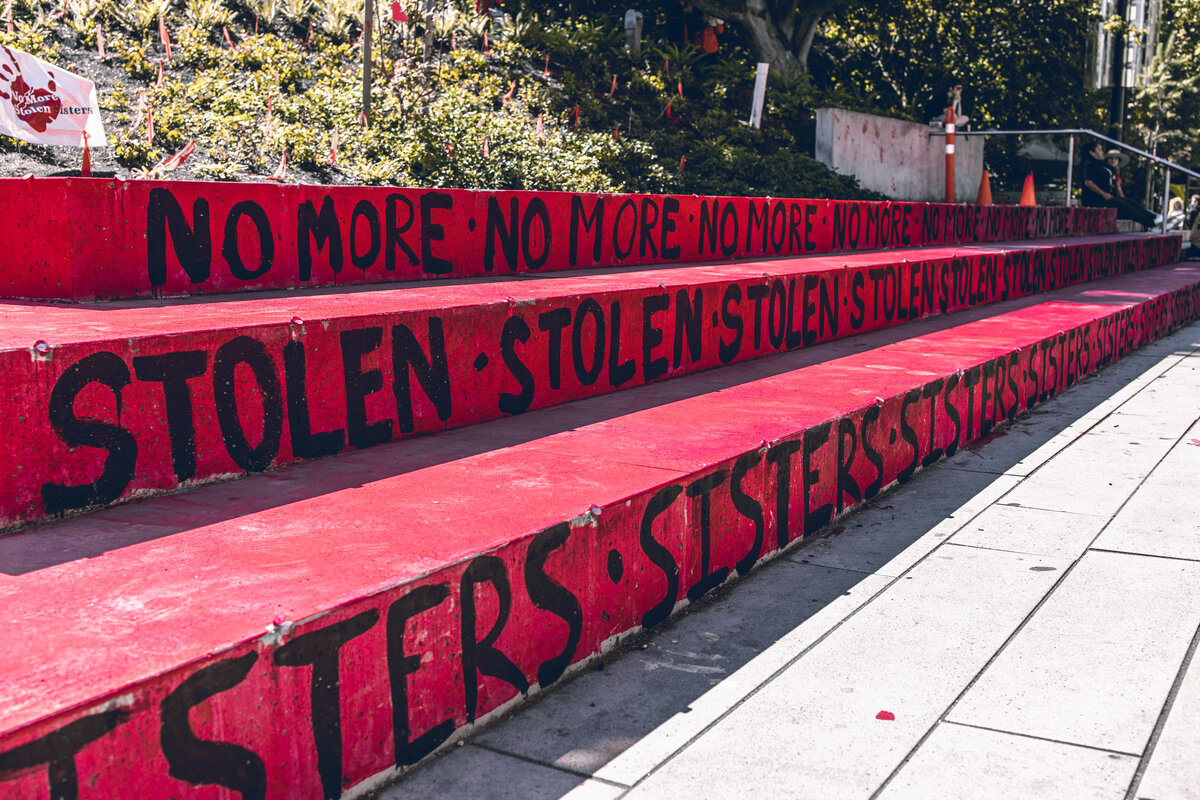
If we are truly committed to understanding, we cannot stay silent when the momentum of Sept. 30 fades. Refusing to address and criminalize residential school denialism only emboldens bigots and perpetuates systemic crises facing Indigenous communities, including the ongoing tragedy of Missing and Murdered Indigenous Women, Girls, and Two-Spirit people (MMIWG2S).
Accountability is what turns a symbolic orange shirt into real action. When you see hate and denialism online, don’t scroll past it – report it. Hold people accountable for the digital footprints they leave behind.
Wearing orange for a day is a powerful gesture but building a lasting bridge means honouring survivors by believing their truths, demanding accountability, and actively defending Indigenous reality every single day.
A bridge cannot stand if it is only anchored for 24 hours a year. It needs daily reinforcement, steady hands, and relentless care to bear the weight of history and carry us forward together. When the orange shirts come off, the test of our character begins.
Will we let the silence rush back in, or will we carry the truth forward in our voices, our choices, and our refusal to look away? The path to true reconciliation is long, but we do not walk it alone and the next step belongs to all of us.


Leave a Comment
Your email address will not be published. Comments are moderated.