
For weeks this summer a friend with breathing issues was largely housebound because of smoke from Ontario’s record-breaking wildfires.
This year, a friend north of Bethany was shocked when he opened his property insurance bill. Premiums had more than doubled in two years. The broker’s explanation: it was broadly related to flood and extreme weather claims. My friend has never made an insurance claim.
In August 2025, a couple I know near Bobcaygeon had their bags packed by the front door. They were ready for a quick evacuation because of nearby wildfires.
A farm that supplies us with veggies lost row upon row of produce a few years ago to drought. They quickly doubled their irrigation pond. That same year a bike trip I booked was cancelled due to extreme heat.
Remember Snowmageddon in January last year? That month saw three times our typical January snowfall. Our infamous ice storm followed two months later. Clean-up cost Kawartha Lakes about $29 million. One-time emergency provincial funding helped substantially, but the city still had to find several million dollars to cover the balance.
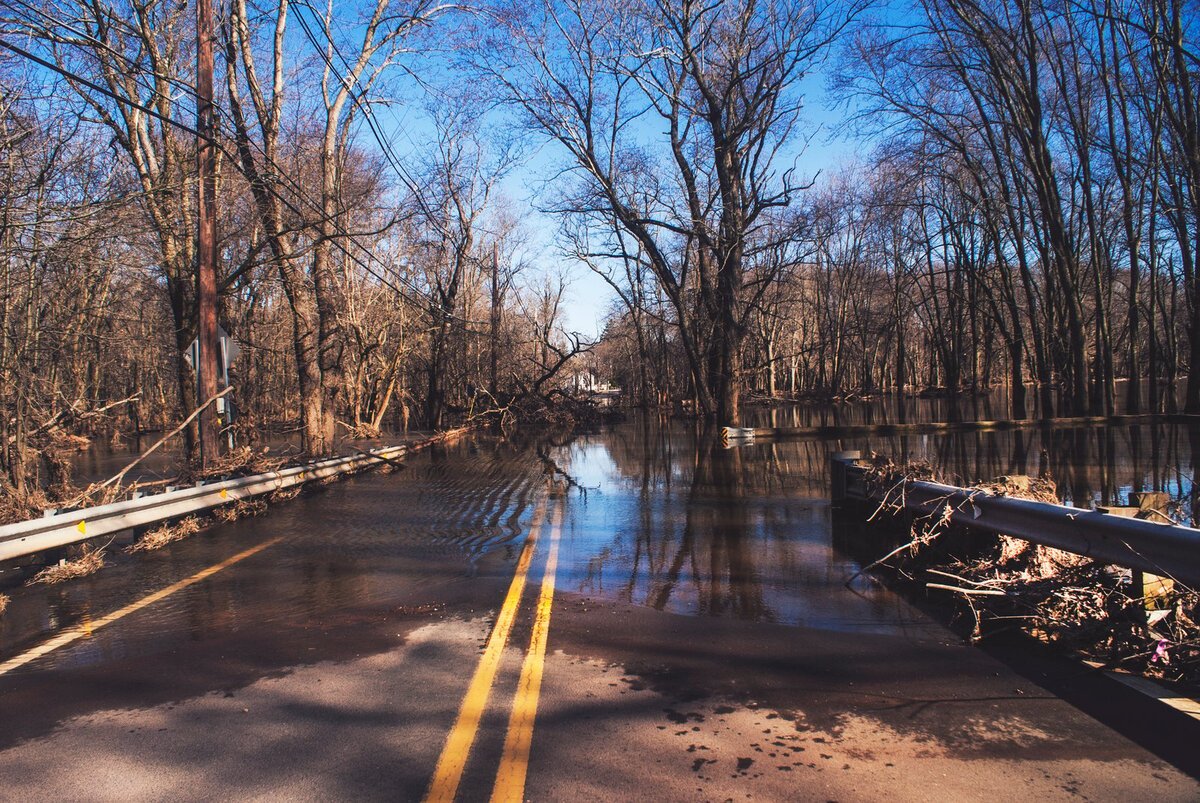
On Sept. 2 this year, a severe storm hammered the GTA and several other towns, including in Kawartha Lakes. Some areas were lashed by high winds, hail, and a month’s worth of rain in one day, causing almost $1 billion in insured damages.
Climate impacts are not just flooding island nations. They’re hitting home, big time. And it’s touching almost every aspect of our lives.
If it seems as if these extremes are increasing, you’d be right. Canadian-born atmospheric scientist Katharine Hayhoe told an audience of seniors last month that in the 1980s and ‘90s, Canada saw one extreme weather event every three months. Now, it’s once every four weeks.
Elbows Up for Climate, a coalition of 300 elected municipal officials, keeps tabs on communities hit by extremes. This year by September they tallied more than 900 communities – 60 per cent of Canadians – impacted by extreme heat, flooding, fires, hazardous air and drought.
They’re paying attention because local governments bear the brunt of weather extremes. They own 60 per cent of infrastructure like roads, bridges, water and waste treatment systems. But nationally, they receive less than 10 per cent of our tax dollars. When we see more potholes, and buckled or washed-out roads, local governments are on the hook. That wasn’t always the case. Upper tier governments started downloading more of these responsibilities to municipalities in the 1990s, with no increase in funding.
Despite that, local councils are protecting citizens when they can. Halifax is installing water fountains and shade shelters in parks. Waterloo is adding more heat pumps to public housing units to provide air conditioning.
A few years ago, our city built a system to capture planet-warming methane (“natural gas”) from the Lindsay-Ops Landfill. It’s used to power the landfill and the adjacent Water Pollution Control Plant. Kawartha Lakes is now revising its Healthy Environment Plan, a roadmap of future actions our new council could take to protect us and reduce climate impacts.
Actions like these require federal and provincial grants. We need those grants to upgrade our infrastructure. Do we really need a $9 million study for a tunnel under the 401? Or a $40 billion taxpayer-funded pipeline that will enrich fossil fuel giants, and make those climate impacts hit home even harder?


Leave a Comment
Your email address will not be published. Comments are moderated.